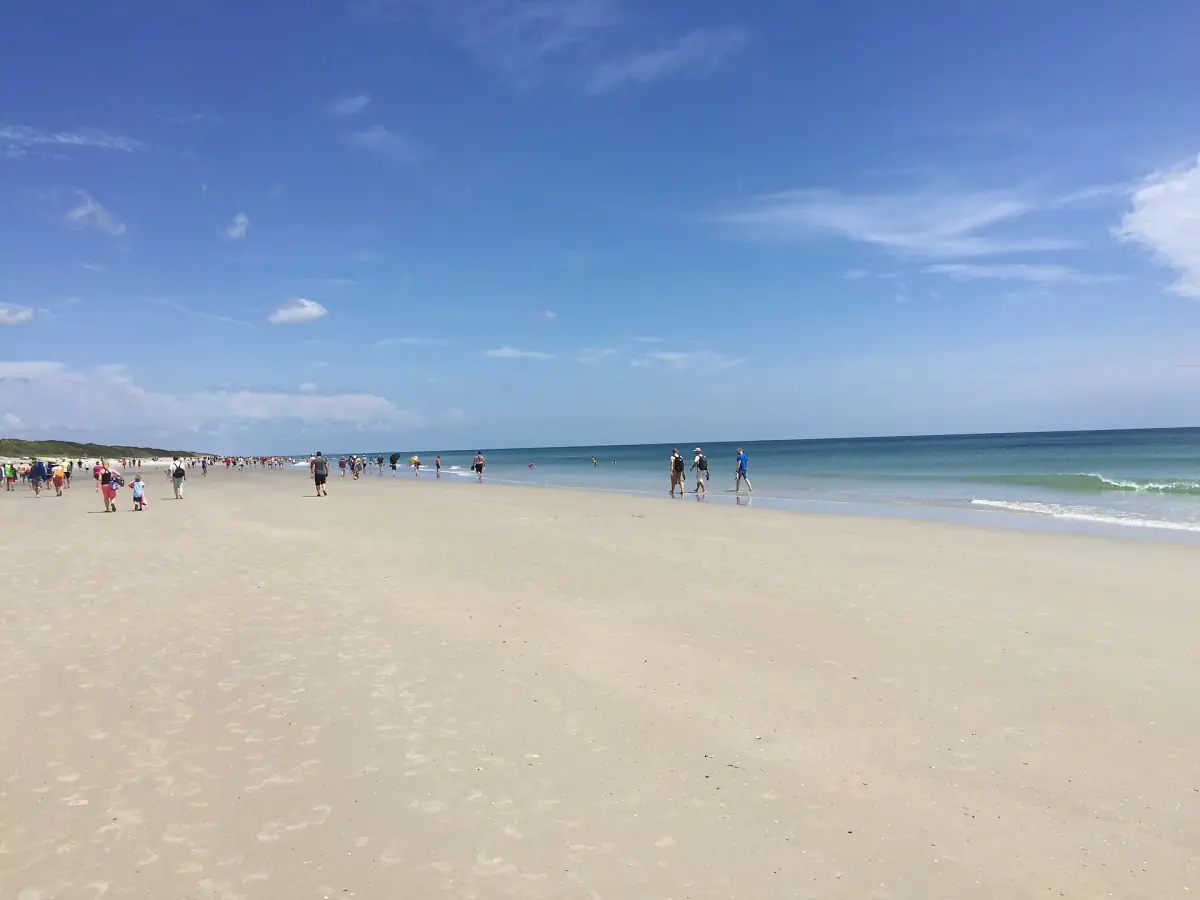
Cape Canaveral weather and your main activity
Cape Canaveral weather makes milder months worth considering for space-centre visits, while the broader June to October bioluminescence season points lagoon paddlers towards a different part of the year. Choosing a date means balancing those priorities. A comfortable outdoor sightseeing day and a dark summer evening on the water do not require the same conditions.
The regional climate context comes from the Melbourne International Airport station, rather than a station on the Cape Canaveral beach. Use the broad pattern of milder winters and hotter, wetter summers for early planning, then use the forecast for the actual visit. For your chosen evening, clear skies and operation of a water activity depend on the actual conditions.

Milder months for space visits
Kennedy Space Center visits fit the milder part of the regional year when avoiding summer heat matters most. Treat winter as a seasonal preference rather than a promise of a dry or warm day. Build the visit around the Visitor Complex and its attractions, with clothing and outdoor time adjusted to the current forecast.
KSC's calendar lists closures on 26 November 2026 and 25 December 2026. These are specific calendar dates, not an annual opening rule for later years. For dates after 25 December 2026, use the applicable visit calendar rather than carrying these notices forward. The KSC tickets and tours page explains admission and Orlando day trips, which should be chosen separately from any mission-specific launch viewing.
Our pick: a seasonal kayak outing
A clear-bottom kayak lets you look into the water; bioluminescence depends on conditions.
Hand-picked tours, booked through GetYourGuide. Prices are indicative starting prices in US dollars (as of November 2026). Tap a tour for live availability and the current price in your currency.

A seasonal evening on the lagoon
The 1.5-hour clear-bottom kayak outing leaves from Kiwanis Island Park on Merritt Island. Kayak, life jacket, paddle, dry bag and phone dry case are included; weather and natural light conditions shape the experience.
Summer heat and thunderstorms
Cape Canaveral's regional summer pattern is hotter and wetter than winter, so leave room to change outdoor plans. A beach or lagoon outing needs attention to the day's conditions, not just the month on a booking confirmation. Rain and storms can also weaken the appearance of bioluminescence or lead to a water activity being cancelled.
The National Seashore safety guidance dated 24 August 2026 identifies lightning, rough surf and rip currents among the coastal hazards and advises shelter in buildings when thunder is heard. The National Seashore has no lifeguards. A sunny photograph or a gap in recent notices is not a swimming clearance. Follow local signs and current instructions, and keep a sheltered alternative in mind when planning a day outdoors.
Bioluminescence and moonlight
Space Coast bioluminescence belongs to lagoon environments such as the Banana River, Mosquito Lagoon and Indian River Lagoon, rather than to every Atlantic beach. June to October is a broad seasonal guide. Dark skies around the new moon can make the effect easier to perceive, but neither a month nor a moon phase guarantees visible glowing water.
The seasonal kayak option here uses a clear-bottom kayak and starts at 951 Kiwanis Island Park Road on Merritt Island. The outing lasts 1.5 hours and includes a life jacket, paddle, dry bag and phone dry case; food and drinks are separate. Arrange the journey to that specific start rather than treating “Cape Canaveral” as the meeting address. The night-kayaking guide explains lagoon settings and kayak choices in more detail.
Merritt Island National Wildlife Refuge has rules for access to paddling locations. A place being suitable for daytime paddling does not establish night access, so use the instructions for your booked departure. Keep a dark-sky preference subordinate to safe weather and permitted access. The natural effect remains variable even on a carefully selected date.
Hurricane season from 1 June to 30 November
The Atlantic hurricane season runs from 1 June to 30 November, which overlaps the broader bioluminescence season. A season label is neither a current storm warning nor an assurance about dates outside it. Before travelling, know how you would respond to official instructions and how you would change an outdoor itinerary if conditions deteriorate.
Use current warnings and local access information for the visit itself. The opening status of a particular beach, trail or road needs current local information. Plan accommodation and transport with the possibility of changed activities in mind. The accommodation-location guide helps distinguish beach, port and nature bases without assuming the same journey from every address.
Choose a season without a launch guarantee
The best time to visit Cape Canaveral depends on whether KSC, the beach or lagoon kayaking is the main reason for travelling. Pick the season for that activity, then treat any rocket launch as a separate mission-dependent plan. Launch calendars and access arrangements can change in any month; milder weather does not secure a countdown or a viewing place.


Cape Canaveral season questions
When is a milder time for a KSC visit?
The winter part of the regional year is milder than summer and is worth considering when heat is your main concern. Melbourne airport climate information provides regional context rather than a forecast for the coast. Use the actual day's forecast and KSC calendar when arranging transport, tickets and outdoor time.
Does a new moon guarantee bioluminescence?
No. A dark sky around the new moon can help you perceive bioluminescence, but the natural effect remains variable. June to October is a broad seasonal orientation for local lagoon outings. Rain, storms and operating conditions matter too, so consider the moon phase alongside actual visibility and departure conditions.
When is Atlantic hurricane season?
From 1 June to 30 November is the official Atlantic hurricane season. The dates describe a season rather than a current warning for Cape Canaveral. Follow official forecasts and instructions for the actual travel period, and prepare for changes to outdoor activities without interpreting other months as a weather guarantee.